Small problems are the bait
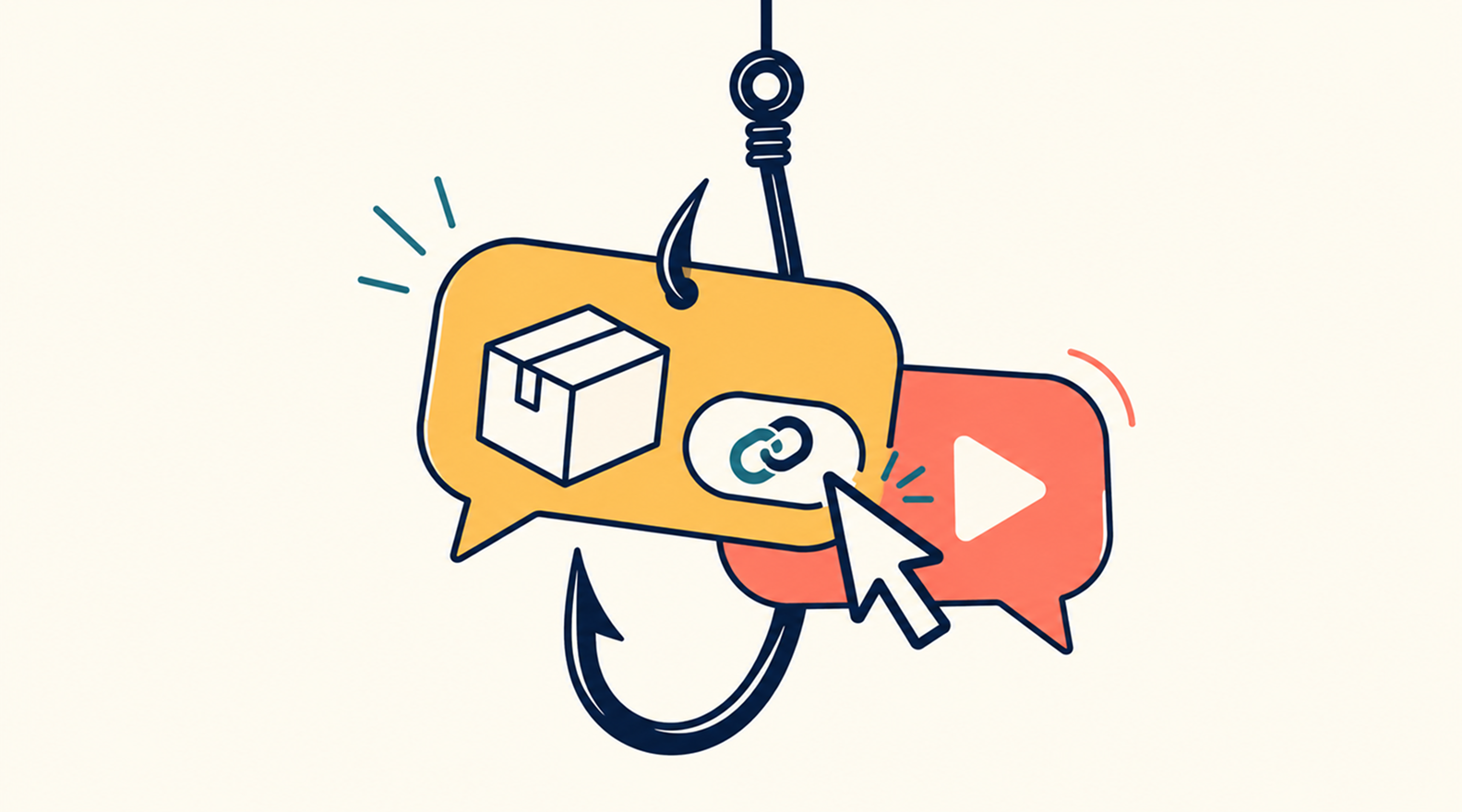
SMS phishing imitates a delivery delay, a failed charge, a locked subscription, or an account check. These are everyday annoyances. People already expect a text from a retailer, a streamer, or a shipper. The scam steps into a situation that already feels normal, then asks for one quick fix.
The message is short on purpose. There is no room to inspect a letterhead. There is only a link, a timer, and a brand name the target already uses.
What happens after the tap
The next screen may copy a login form, a billing update, or a support chat. Some operations steal passwords. Others take card details. Others pivot into a broader “refund” or “security” script. The original text is only the door. The damage is in the path that follows.
Keep the whole trail, not just the text
- The original SMS and sender ID
- The link as it appeared, before it expires
- Screenshots of the fake page, errors, and payment prompts
- Any later call, email, or chat
- Bank or card records for unauthorized charges
How we present these cases
A one-line summary — “I clicked a fake Amazon text” — hides the details a reviewer needs. Which brand was copied? What urgency was used? What did the page ask for? What moved next? We put the trigger, the fake identity, the interaction, and the payment into one sequence so the file is easier to review.