A new layer on old patterns
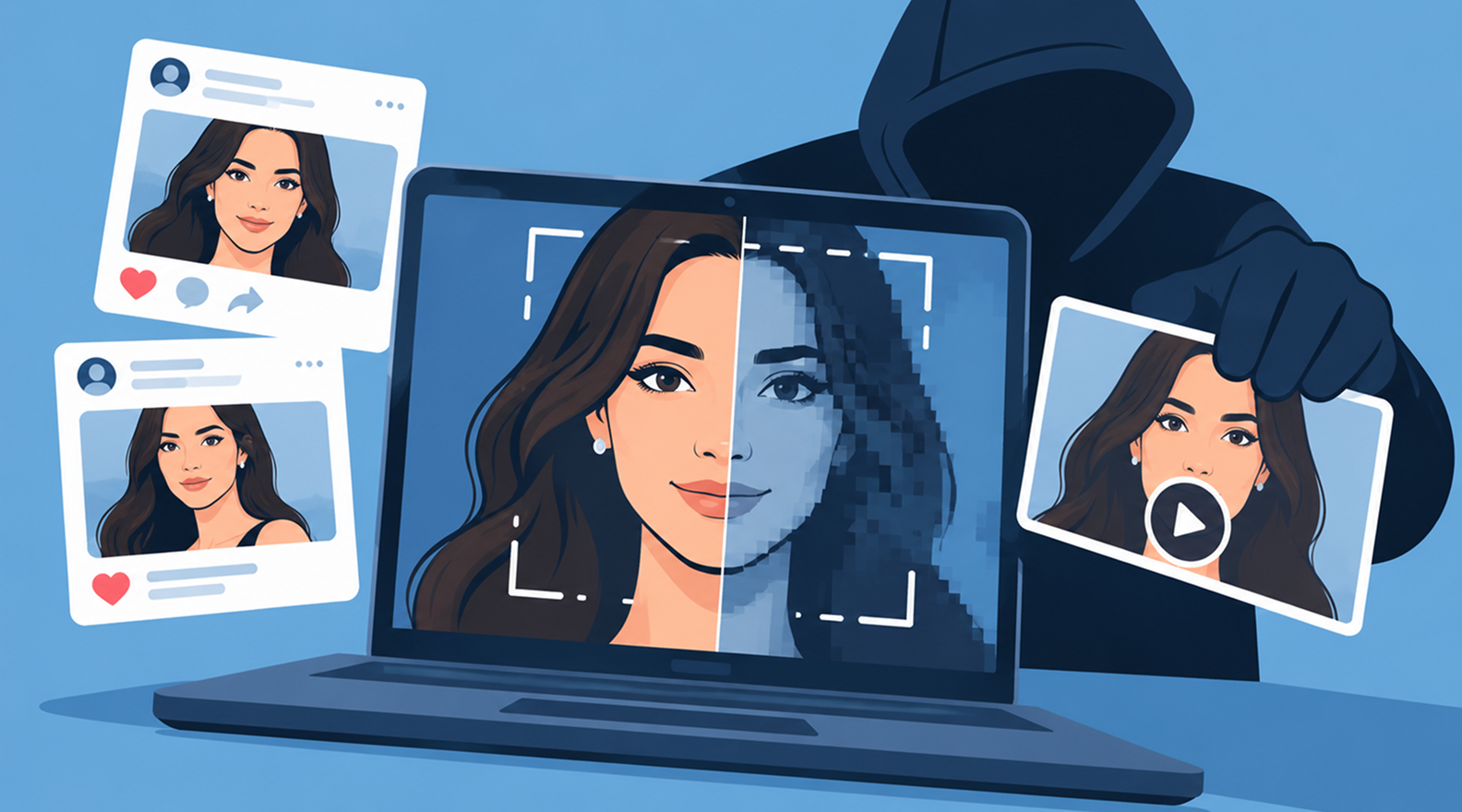
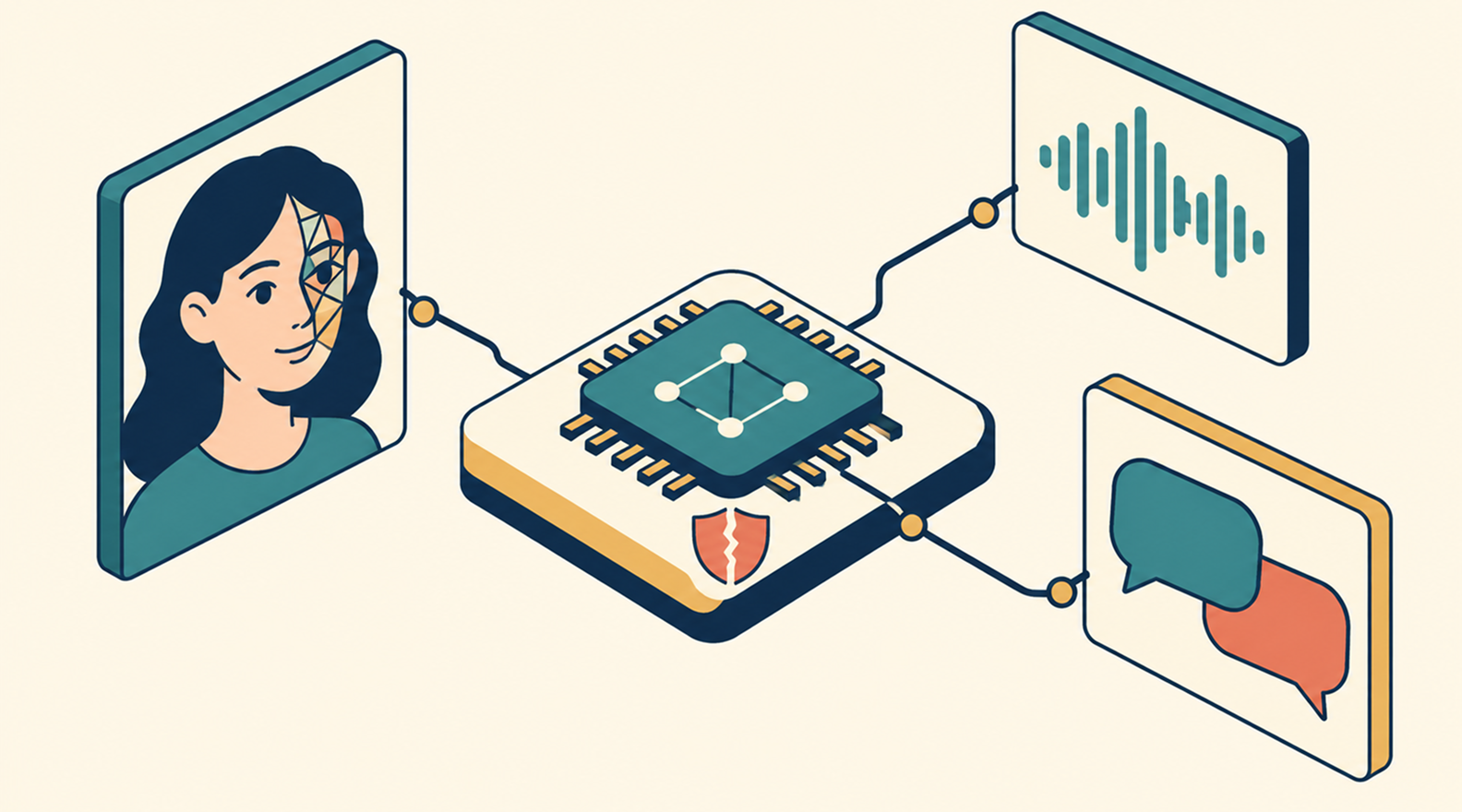
AI fraud is not a single scheme. It is a production upgrade. Romance lures, fake support desks, investment rooms, and phishing pages still rely on urgency, isolation, and a request for money. What changed is the finish: smoother writing, more realistic profiles, cloned voices, and images that no longer look obviously fake.
A clumsy email used to be a warning. Today the grammar can be clean, the photo can look original, and the voice can sound local. The human weakness did not change. The costume did.
Where AI shows up in live cases
- Trading chats that sound informed and calm until withdrawal time
- Customer-support impersonation by email, SMS, or in-app chat
- Deepfake or edited likeness of public figures
- Voice clones of relatives and coworkers
- Romance profiles with consistent, high-volume conversation
Why the file gets scattered
These operations jump channels. A text becomes a website, then a chat, then a call, then a screenshot of a “balance.” After the loss, evidence sits on several devices. That scatter is why reviewers struggle. They are not seeing one story. They are seeing fragments.
Documentation is the countermeasure
Claimora rebuilds the path: first contact, trust-building, pressure, payment, and what happened after. We also record why it felt legitimate — a brand, a voice, a personal detail. That context is part of the case, not an excuse. It explains the decision that a cold file otherwise cannot show.