Better copy, same trap
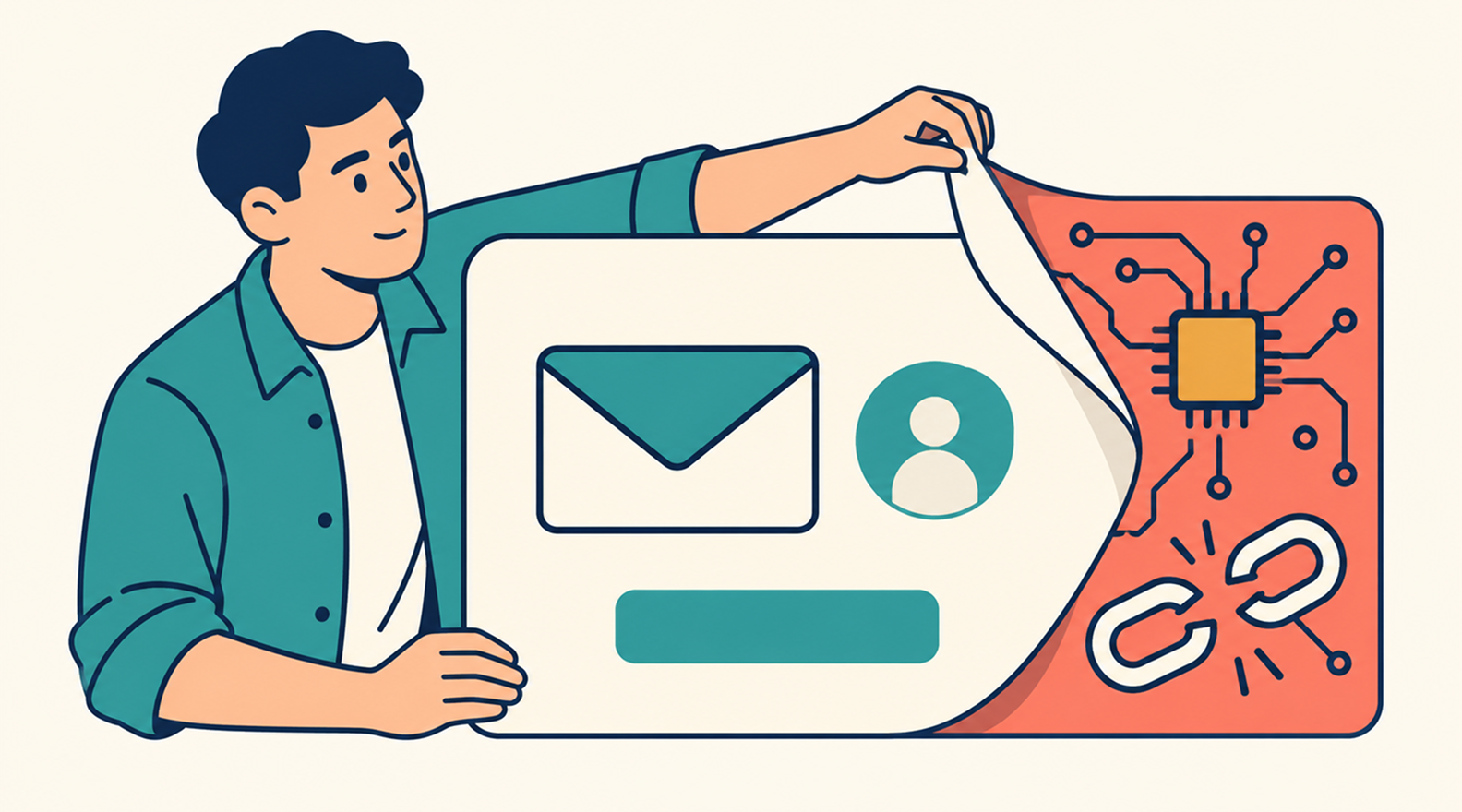
Classic phishing asked you to “verify your account” in broken English. AI-assisted phishing can match the tone of a bank, a payroll team, a shipping desk, or a known colleague. The message can mention a recent order, a ticket number, or a department name scraped from public pages. Personalization is not proof of legitimacy. It is a tactic.
Authority is the payload
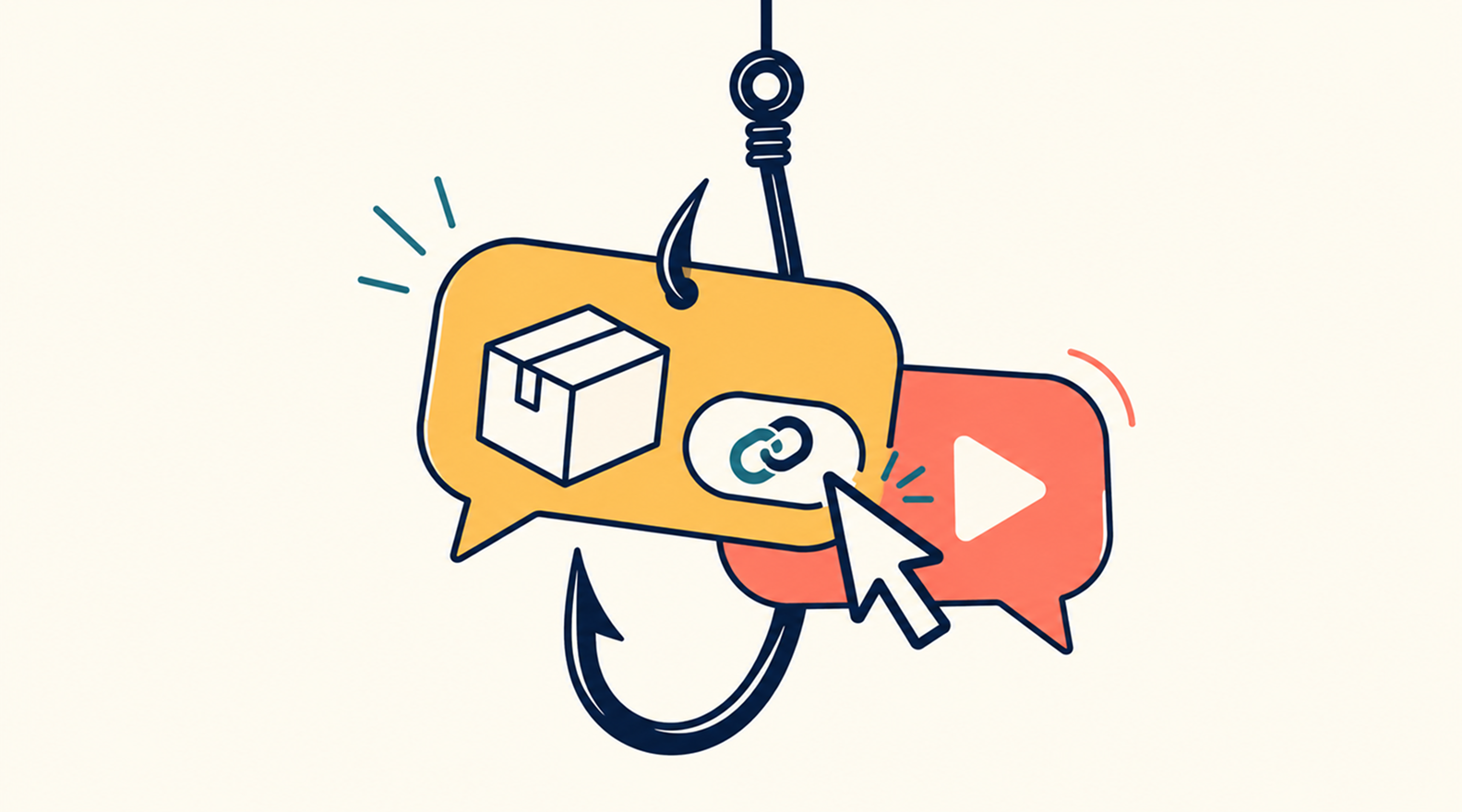
Many of the strongest lures do not look greedy. They look official. A security alert. A failed payroll run. A legal hold. A delivery that will be returned today. The goal is to make delay feel dangerous, so the target clicks, logs in, or sends a code before they check a second channel.
Once credentials or a session are captured, the case can become an account takeover: wires, crypto draws, or locked-out access that spreads through email and banking at the same time.
What to capture in an AI-assisted phish
- Headers, sender names, and the raw link
- The landing page and any login or MFA prompt
- Device alerts, password-reset emails, and new-login notices
- Unauthorized transfers and the destination details
Our role after the click
We do not unwind a bank login remotely. We document how the lure was built, what identity it stole, and what happened after access was gained. That record is what a financial institution or investigator can actually work with.